
Veterinary Services
Senior Pet Care in St. Louis, MO
At Hillside Animal Hospital, we provide specialized veterinary senior care in St. Louis, MO, to help your aging companion enjoy a vibrant, pain-free life throughout their golden years.

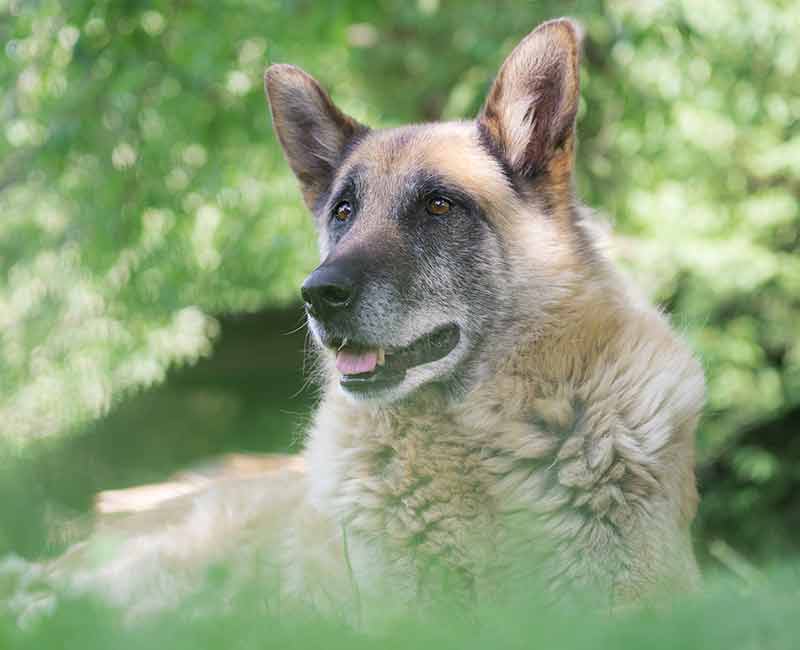
Navigating the Golden Years:
Comprehensive Veterinary Senior Care
Did you know that pets age much faster than humans and are generally considered “seniors” around the age of seven? Just like our own healthcare needs shift over time, your companion’s physical requirements alter significantly as they grow older. From shifting nutritional needs and modified exercise habits to a changing daily routine, older pets require specialized attention.
At Hillside Animal Hospital, we recognize that the aging process in pets is a unique journey for every individual animal. Our highly experienced veterinary team is dedicated to identifying the incredibly subtle changes in behavior or physiology that often signal underlying medical conditions before they turn into serious health crises.
Why Proactive Senior Pet Care Matters
As pets age, they become more susceptible to chronic health conditions such as arthritis, kidney disease, diabetes, cancer, and cognitive dysfunction. Many of these issues begin with minor adjustments in behavior, such as sleeping more, hesitating before jumping, or drinking more water, that owners frequently mistake for “just slowing down.”
Neglecting routine veterinary diagnostics during this life stage can allow hidden diseases to progress unchecked, severely diminishing your pet’s quality of life. By partnering with our compassionate team for specialized senior pet care, you gain an advocate dedicated to:
- Early disease detection and prompt medical intervention.
- Precise adjustments to long-term medication dosages as health conditions progress.
- Tailored lifestyle management strategies to preserve mobility and comfort.
Our Tailored Senior Veterinary Services
We believe that medicine is not a “one size fits all” practice. We look at your senior pet as an individual, factoring in their breed, lifestyle, environment, and current health status to design a highly personalized care program.
Advanced Diagnostics & Routine Screenings
Because older pets require more frequent monitoring, we recommend comprehensive senior wellness exams at least twice a year. During these visits, we utilize advanced diagnostic testing, including routine wellness blood work and urinalysis. These tools allow our veterinary team to evaluate internal organ function and assess how your pet’s body is responding to current management strategies.
Managing Age-Related Conditions
If your companion is diagnosed with a chronic illness, we offer cutting-edge therapeutic options. Our team works seamlessly to manage pain and slow disease progression, often combining prescription protocols with targeted treatments like laser therapy and acupuncture for dogs and cats to significantly reduce inflammation and joint discomfort.
Integrative Wellness and Nutrition
A senior pet’s metabolism changes over time, meaning their dietary formulations must adapt as well. Through targeted pet nutritional counseling, we guide you toward specialized diets designed to support senior joints or manage systemic illnesses like renal failure or heart disease. Furthermore, maintaining strict parasite prevention and a customized schedule for essential veterinary vaccines keeps their aging immune system fully shielded against infectious diseases.
Frequently Asked Questions
How often should my senior pet see the veterinarian?
We recommend that senior pets (those aged 7 and older) receive a comprehensive physical examination every six months. Because pets age rapidly, semi-annual visits allow us to catch emerging health problems early and adjust treatment plans quickly.