Veterinary Services
Pet Veterinary Dentistry in St. Louis, MO
At Hillside Animal Hospital, we provide advanced veterinary dentistry in St. Louis, MO, to protect your companion’s oral health and prevent the hidden dangers of periodontal disease.

Why Professional Veterinary Dentistry is Vital for Your Pet
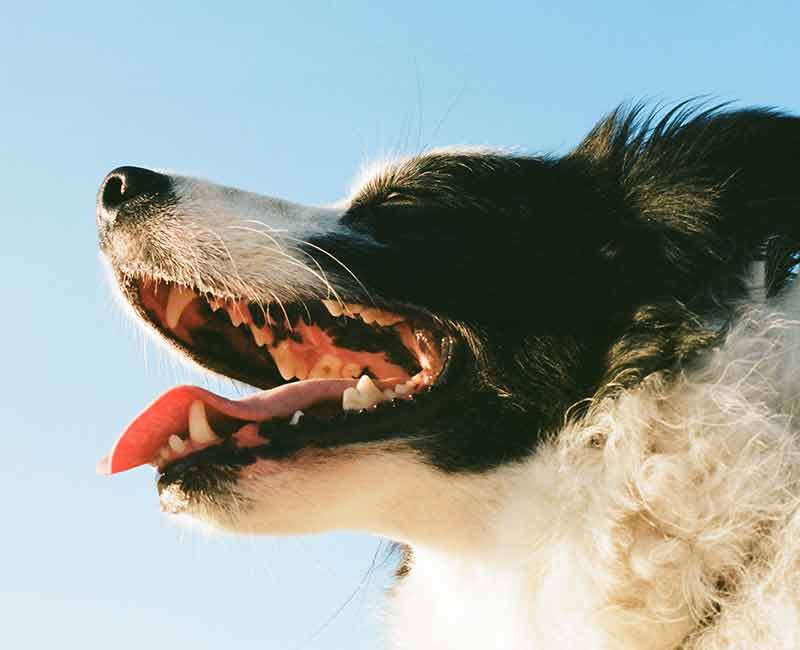
Just as regular dental visits are a cornerstone of human healthcare, professional dental care is equally critical for dogs and cats. Your pet’s oral health is directly connected to their overall health. When plaque and tartar build up on the teeth, bacteria quickly colonize beneath the gumline. If left untreated, this bacteria can enter the bloodstream, potentially causing severe damage to your pet’s heart, liver, and kidneys.
Comprehensive dental care starts during routine pet wellness care visits, where our veterinarians carefully evaluate your pet’s teeth and mouth as part of a complete physical examination. If we detect underlying issues, we will recommend a professional veterinary dental procedure to restore your pet’s comfort and vitality.
Recognizing the Signs of Dental Disease
Many pets suffer from oral pain in silence, continuing to eat even with severe dental infections. As a pet owner, it is important to recognize the common signs of periodontal disease so you can seek veterinary intervention early. Contact our team if you notice any of the following symptoms:
- Persistent bad breath (halitosis)
- Loose, broken, fractured, or missing teeth
- Yellow or brown tartar accumulation along the gumline
- Red, inflamed, swollen, or bleeding gums
- Difficulty chewing, dropping food, or showing pain while eating
- Pawing at the mouth or face
- Excessive, unusual drooling
What is Included in Our Comprehensive Veterinary Dental Procedure?
To ensure the highest standards of safety, accuracy, and comfort, every professional veterinary dentistry procedure at our hospital follows a rigorous, multi-step medical protocol.
1. Pre-Anesthetic Evaluation & Diagnostics
Before any procedure begins, we perform a thorough pre-anesthetic exam and customized diagnostics, including routine blood work and chest radiographs if indicated. This allows our team to confirm that your pet’s vital organs can safely process the anesthesia.
2. Monitored Anesthesia
For a thorough cleaning and examination, anesthesia is medically necessary. It keeps your pet completely pain-free and still, preventing stress and protecting their delicate airway. Your pet’s anesthesia is continuously monitored from start to finish by a highly trained, registered veterinary technician utilizing advanced monitoring equipment.
3. Full-Mouth Digital Dental Radiographs
More than 60% of dental disease hides beneath the gumline where the naked eye cannot see. We take full-mouth digital x-rays to visualize the tooth roots and surrounding jawbone, allowing us to accurately diagnose hidden abscesses, bone loss, and structural decay.
4. Thorough Tooth-by-Tooth Examination
While your pet is comfortably asleep, our veterinarians examine each individual tooth for physical damage, structural discoloration, deep periodontal pockets, or localized disease. We also perform a meticulous inspection of the tongue, throat, and oral tissues to identify and biopsy any abnormal masses if indicated.
5. Advanced Oral Surgery & Therapeutics
If we discover diseased, infected, or painfully fractured teeth, our experienced doctors perform precise surgical extractions using local nerve blocks for optimal pain management. When appropriate, we also provide advanced sealing and bonding for structurally damaged teeth. We also offer PerioVive (drives tissue regeneration of the periodontal ligament and cementum).
6. Professional Scaling, Polishing, and Aftercare
We utilize ultrasonic scalers to safely remove plaque and tartar from the crown and underneath the gums. The teeth are then polished to smooth out microscopic scratches, preventing future bacterial buildup. Finally, we provide you with comprehensive instructions regarding tailored at-home care and effective pet nutritional counseling tools to maintain their clean smile.